

包公原名包拯,字希仁,亦即家喻戶曉的「包青天」,是北宋著名官員,由於執法嚴明,鐵面無私,為官清廉,死後獲百姓所推崇,奉為神明。坊間有指包公本為天上文曲星,下凡後面容黝黑,前額的白色「月牙印」可作照妖鏡之用,不但識破妖魔鬼怪,照見貪官惡行,晚上還到地府審案。相傳包公死後更化身成閻羅王,掌管地獄第五殿,專責管理陰間亡魂。在以往司法不彰的年代,百姓都會祈求包公排難解紛。
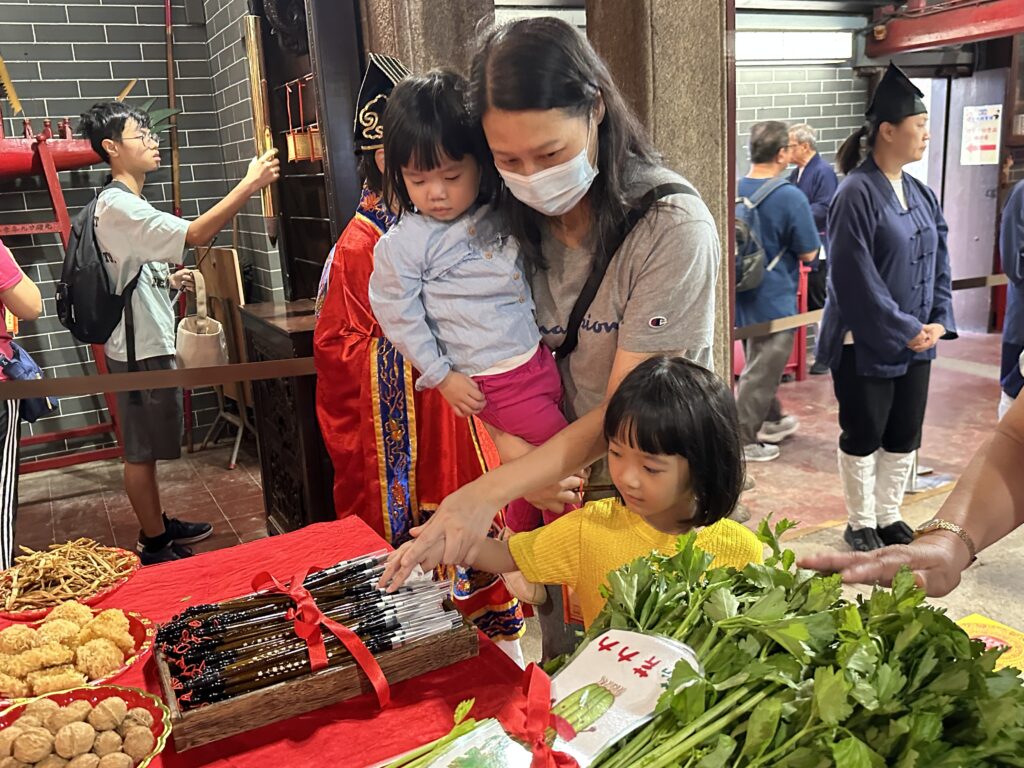
在中國傳統信仰裡,文昌又稱「梓潼帝君」及「文曲星」等,文昌原是天上「文昌宮」六星的總稱,於星宿崇拜的影響下,漸化身為執掌人間「功名利祿」的神祇。「文昌」向為讀書人及考科舉者所奉祀,今日仍為莘莘學子祈求好成績的對象,亦為孝道象徵。另有古籍記載,帝君本名張育為四川梓潼的地方神,後經歷朝的多次加封,漸成具主管文運司祿的「文昌帝君」。每年新曆9月,本廟都會舉辦文昌開筆禮,為莘莘學子祈福灑淨,希望學生能夠學業進步。
包公原名包拯,字希仁,亦即家喻户晓的「包青天」,是北宋著名官员,由于执法严明,铁面无私,为官清廉,死后获百姓所推崇,奉为神明。坊间有指包公本为天上文曲星,下凡后面容黝黑,前额的白色「月牙印」可作照妖镜之用,不但识破妖魔鬼怪,照见贪官恶行,晚上还到地府审案。相传包公死后更化身成阎罗王,掌管地狱第五殿,专责管理阴间亡魂。在以往司法不彰的年代,百姓都会祈求包公排难解纷。
在中国传统信仰里,文昌又称「梓潼帝君」及「文曲星」等,文昌原是天上「文昌宫」六星的总称,于星宿崇拜的影响下,渐化身为执掌人间「功名利禄」的神祇。「文昌」向为读书人及考科举者所奉祀,今日仍为莘莘学子祈求好成绩的对象,亦为孝道象征。另有古籍记载,帝君本名张育为四川梓潼的地方神,后经历朝的多次加封,渐成具主管文运司禄的「文昌帝君」。每年新历9月,本庙都会举办文昌开笔礼,为莘莘学子祈福洒净,希望学生能够学业进步。
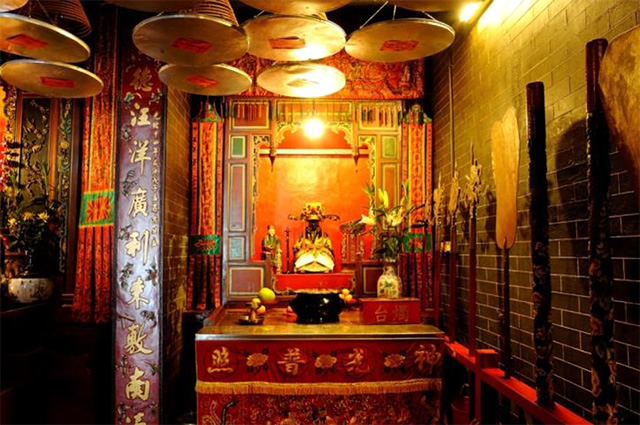
Hung Shing Temple in Ap Lei Chau was probably built in the Qing Dynasty (1773) for the worship of Hung Shing. Ap Lei Chau used to be a fishing village with most of its population earned their living from fishery, shipping and ship-building industry. Hung Shing is recognized as the “God of South Sea”, fishermen and sea-faring traders believed that Hung Shing could save them from danger while they are in the sea and also bring them good harvest. The temple was declared monument in 2014.
Hung Shing Temple, Ap Lei Chau - Fung Shui Timber Poles
A Pair of Fung Shui Timber Poles painted with dragon patterns is erected at the courtyard outside Hung Shing Temple, Ap Lei Chau. Locals commonly call them "Dragon Poles". It was believed that they were used for eliminating the threats of the ferocious spirits from the Cemetery and Aberdeen Police Station in the opposite coast. Pole at the left side of the temple is "West Pole" while the right side is "East Pole". The original poles were probably constructed over 100 years ago and they had undergone several replacement.
In 2014, Typhoon "Kalmaegi" knocked down the fourth-generation "West Pole". With the support of Antiquities and Monuments Office, both of the poles were replaced and enlightened according to custom on 29th November 2015. The new pair of 54-foot-tall poles was made with Balau, which is 4 foot longer than the old one. They were painted in cinnabar like colour with traditional patterns that related to dragons chasing a flaming pearl.