Definition of Chinese Temples
According to the Chinese Temples Ordinance (Chapter 153),"Chinese temple" (華人廟宇) includes- |
| (a) |
all Miu (廟, temples), Tsz (寺, Buddhist monasteries), Kun and To Yuen (觀及道院, Taoist monasteries) and Om (庵, nunneries); and |
| (b) |
every place where- |
| |
(i) |
in accordance with the religious principles governing Miu, Tsz, Kun, To Yuen or Om, worship of gods or communication with spirits or fortune-telling is practised or is intended to be practised; and where |
| |
(ii) |
fees, payments or rewards of any kind whatsoever are charged to or are accepted from any member of the public for the purpose of worship or communication with spirits or fortune-telling or any similar purpose, or in return for joss candles or incense sticks, or on any other account whatsoever. |
Introduction of Chinese Temples Committee
|
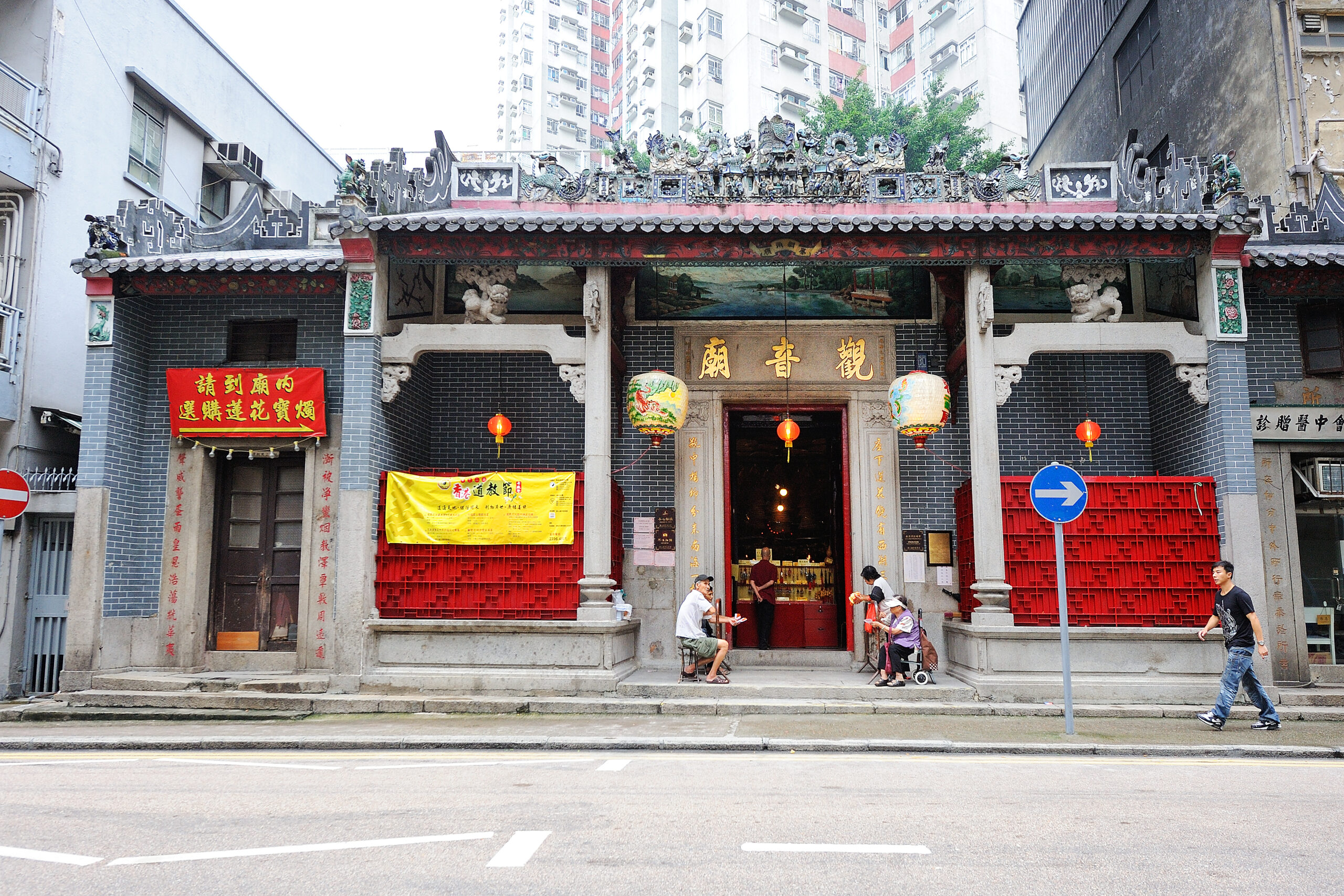
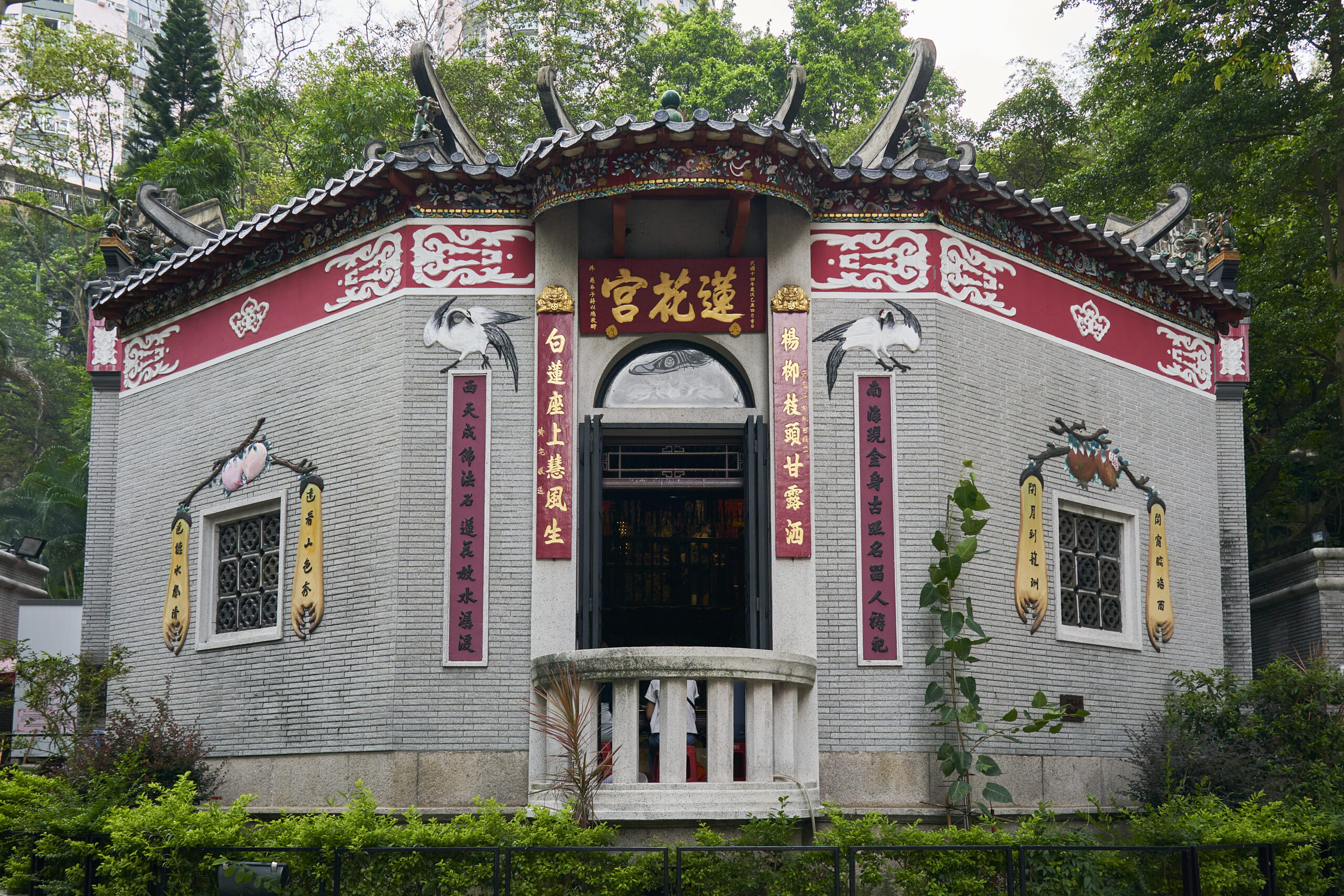
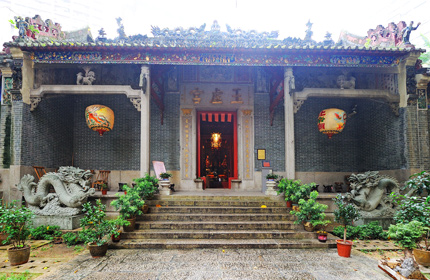
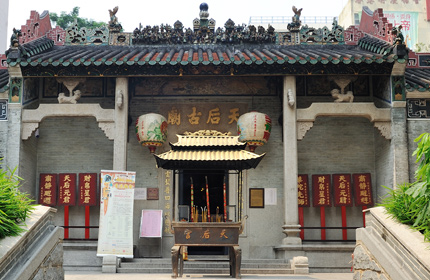
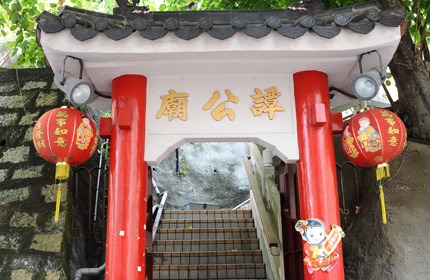
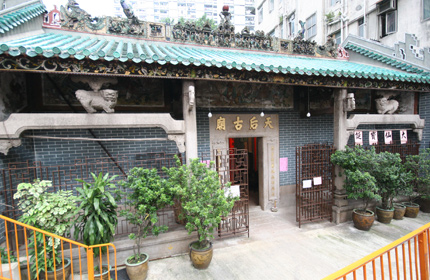
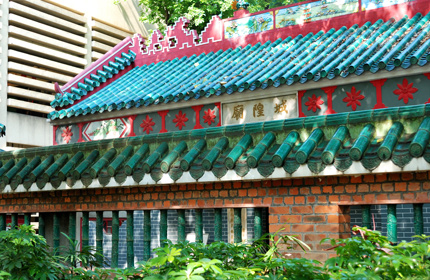
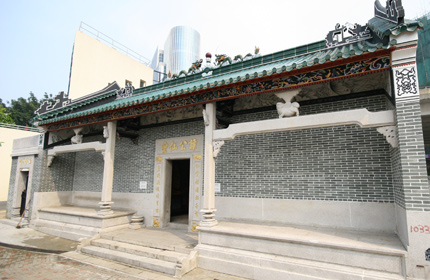
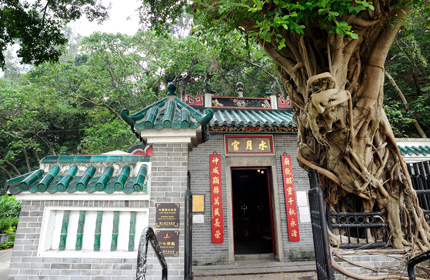
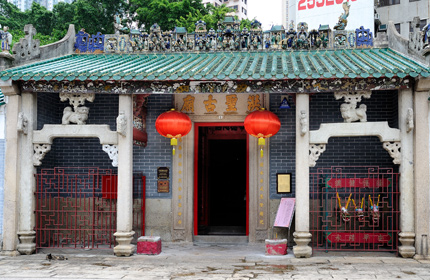
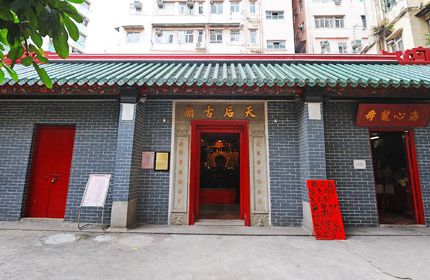
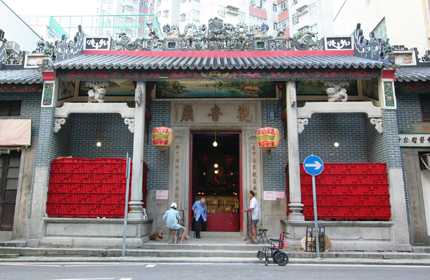
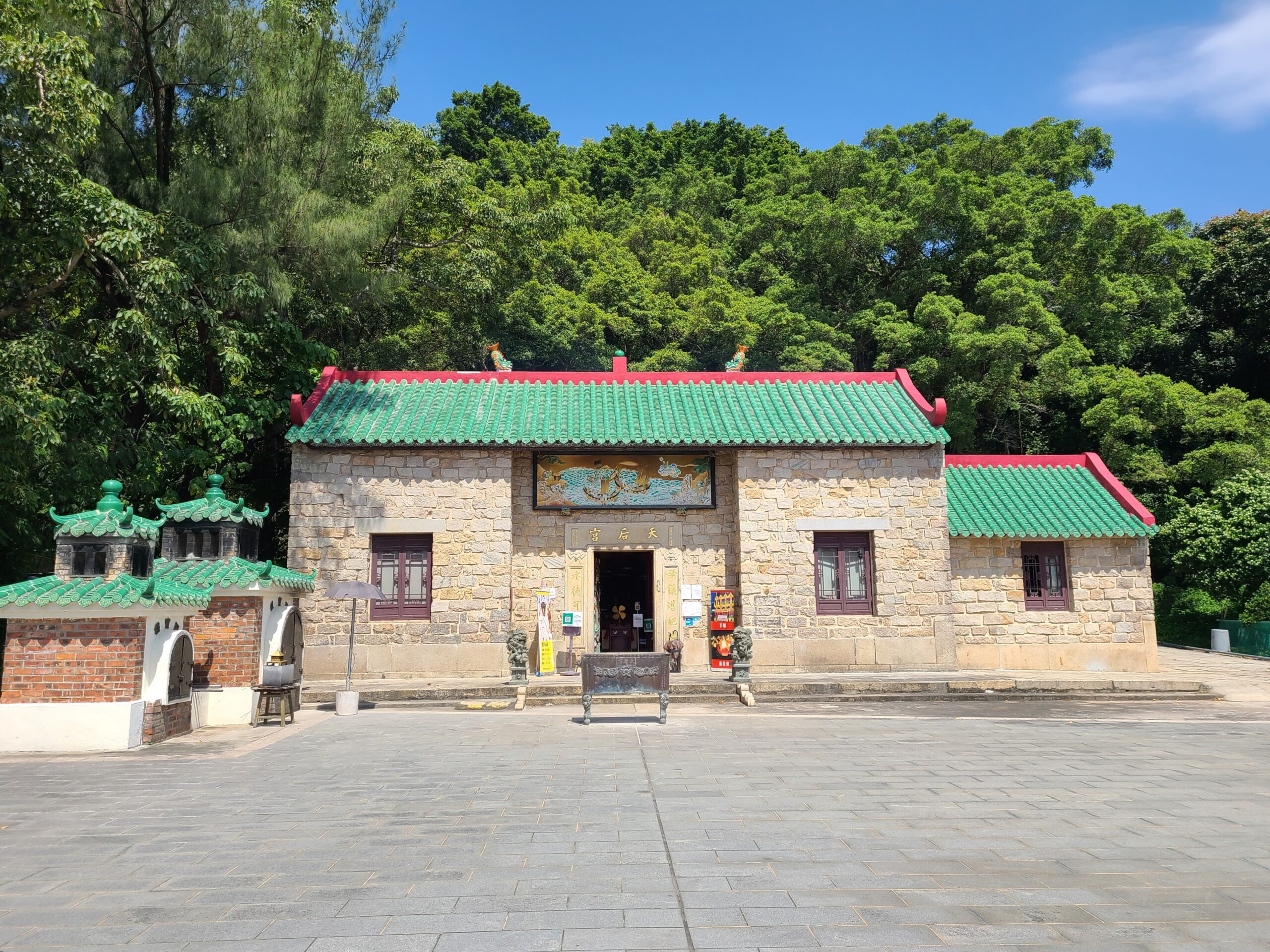
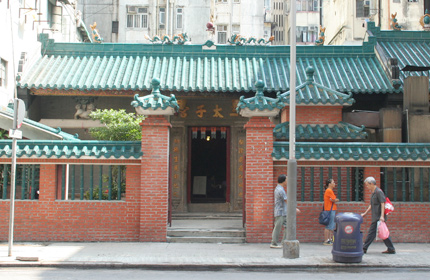
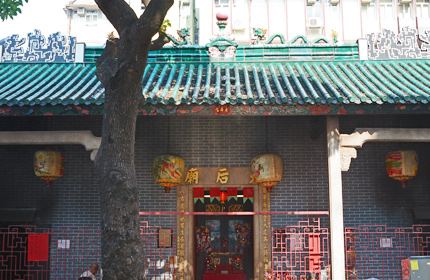
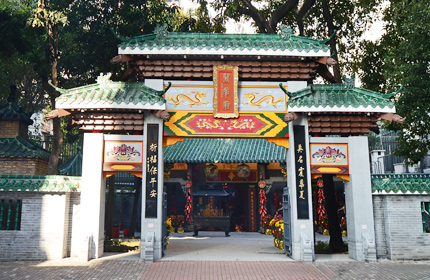
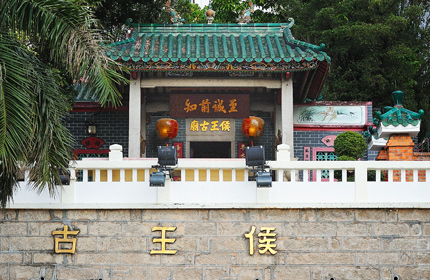
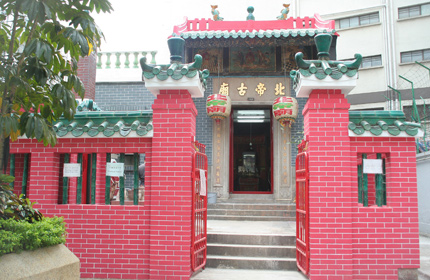
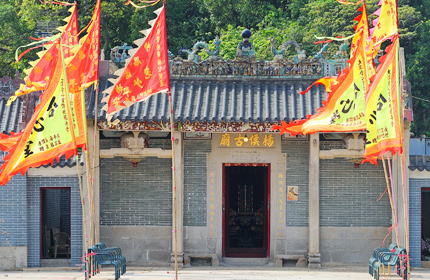
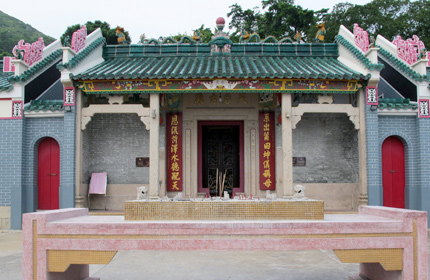
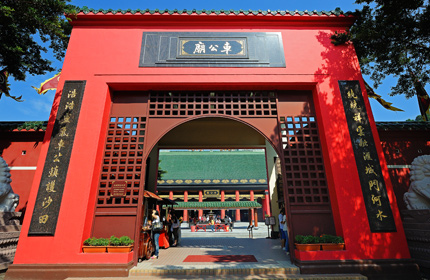
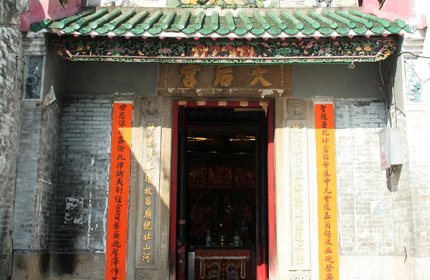
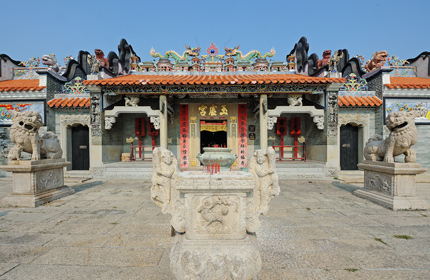
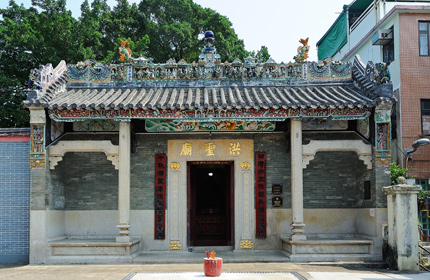
The Chinese Temples Committee (the Committee) is a statutory body established in 1928 under the Chinese Temples Ordinance (Chapter 153). One of the key responsibilities of the Committee is to operate and manage 24 directly administered temple of which 8 are classified as Grade I Historic Buildings, more commonly known temples include Che Kung Temple in Shatin, Kwun Yum Temple in Hung Hom and Lin Fa Kung in Tai Hang.
The revenue of the Committee is first applied for the repair and maintenance of temples under the direct administration of the Committee and for the holding of customary ceremonies, any surplus may be transferred to the General Chinese Charities Fund (GCCF) managed by the Committee. Other than meeting the daily operational expenses of the Committee, GCCF also provides grants to other charitable organizations in addition to the making of annual grants to the Home Affairs Department for disbursement of financial assistance to needy persons of Chinese race.
The Committee has 7 appointed members and 20 co-opted members with the Secretary for Home Affairs as the Chairman. There are 5 Working Groups under the Committee, namely the Finance & Management Working Group, the Works Working Group, the Community Services Working Group, the Development & Culture Working Group and the Promotion & Activities Working Group. Decisions made by the Committee are carried out by its Secretariat.
|
|
Organization Chart of The Chinese Temples Committee

Chinese Temples Committee Member List
| Chairman : |
Secretary for Home Affairs Mr TSANG Tak-sing, GBS, JP |
| Member : |
Chairman, Board of Directors Dr.CHAN Un-chan |
| |
Mr MA Ching-yuk, SBS, JP |
| |
Ms TONG Kei-yuk, Judy |
| |
Mr KWOK Ngok-chung, Dick |
| |
Mr YEUNG Chun-tong |
| |
Mr LO Wai-kon |
| |
Mr IP Cheung-ching |
| |
|
| Co-opt Member: |
| Prof CHAN Che-shing |
Prof CHUNG Shu-hung, Henry |
Mrs LO HO Wing-mui |
| Prof KWONG Kwok-keung |
Mr HO Tak-sum, MH |
Mr TSANG Chung-nam |
| Mr TSANG Man-hing, Johnson |
Mrs LAI IP Po-ping, Fanny, BBS, JP |
Dr LAW Sai-kit, Frank |
| Mr William LAM |
Mr NG Wing-hong |
Mr POON Siu-kuen |
| Mr LAU Kai-ming |
Mr WU Tak-lung |
Mr SHEK Wan-hei, Daniel |
| Dr MA So-mui |
Mr NG Kwok-tung, Tony |
|
|
|
|